19 Aug 2026
Unified Digital Transaction Frameworks Linking Gaming Activities Across Multiple Platforms and Services
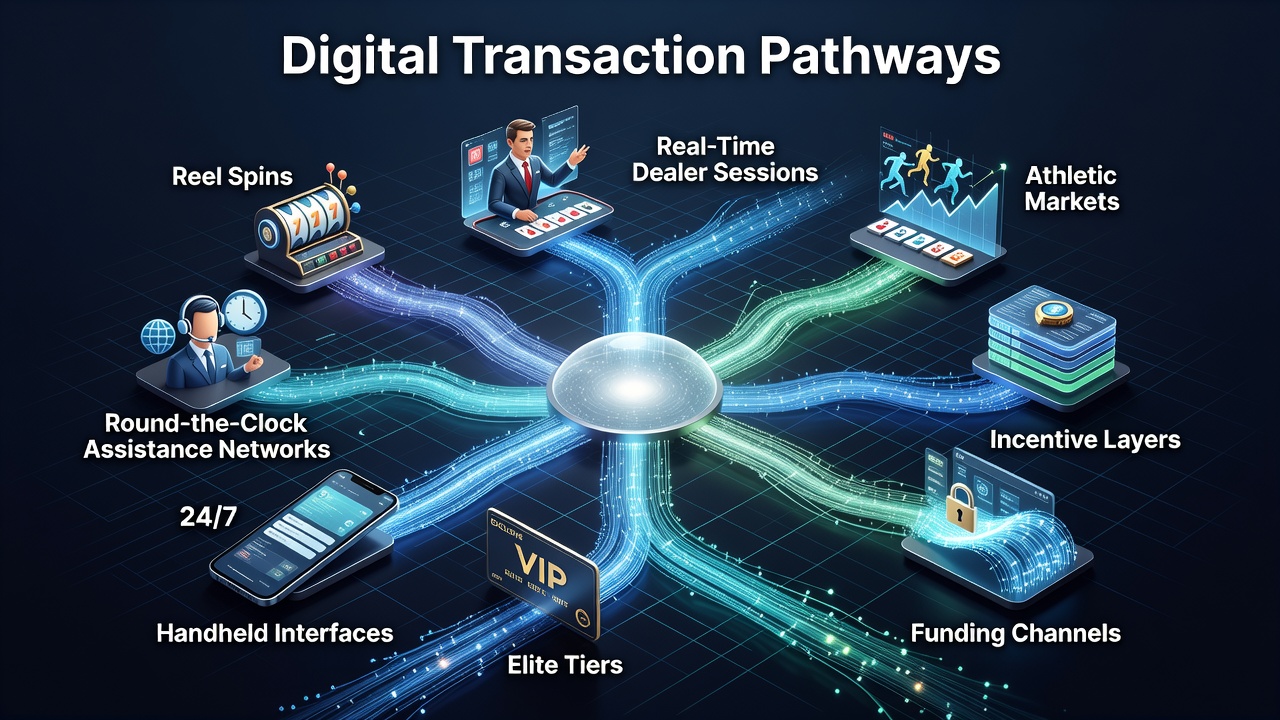
Digital transaction frameworks have expanded in online gaming environments where reel spins connect directly to live dealer sessions, athletic markets, incentive structures, funding options, mobile devices, VIP programs, and support services, and observers note these pathways operate through integrated payment rails that process deposits and withdrawals across platforms as of August 2026.
Core Components of Transaction Integration
Reel spin activities link to funding channels when players initiate deposits that trigger immediate credit to slot balances, while data from regulatory reports shows seamless transfers between banking methods and game interfaces reduce processing delays. Athletic markets extend these connections as wager placements draw from the same pooled funds used for slot sessions, and incentive layers activate automatically once transaction thresholds are met. Those who track gaming patterns report that live dealer sessions receive parallel support since real-time dealer interactions require stable funding streams that mobile interfaces maintain without interruption.
Mobile Interfaces and Funding Channels
Handheld interfaces serve as central hubs where players access funding channels through apps that support multiple payment types including digital wallets and bank transfers, and figures reveal increased adoption of these methods in regions with established online gaming regulations. Athletic markets benefit when users switch between sports odds and slot reels within the same session because transaction pathways allow instant balance updates across categories. Incentive layers appear in the form of deposit matches or free spins that credit automatically once a funding transaction completes, whereas elite tiers unlock additional reward multipliers tied to cumulative transaction volumes.
Live Dealer Sessions and Athletic Markets
Real-time dealer sessions integrate with digital transaction systems when players fund tables directly from mobile balances, and research indicates these flows support continuous play without separate login steps for each game type. Athletic markets operate alongside dealer sessions because shared payment rails permit users to move funds between sports bets and table games during active periods. Round-the-clock assistance networks assist when transaction issues arise, providing immediate resolution that keeps both dealer interactions and sports wagers operational. Data shows that incentive layers often combine with these activities as bonus credits apply across slots, live tables, and betting markets once eligibility conditions are satisfied through prior funding activity.
Elite Tiers and Incentive Structures
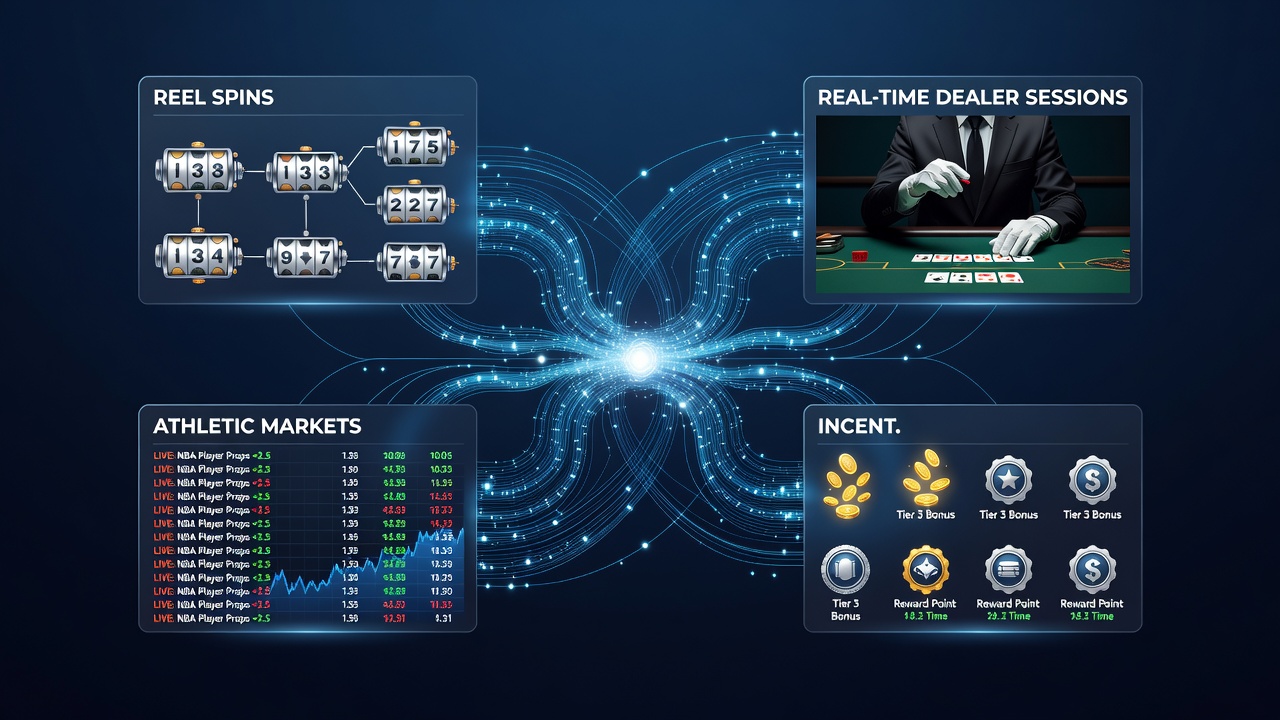
Elite tiers function through transaction tracking systems that monitor deposit frequency and volume, granting access to higher incentive layers such as cashback percentages and personalized bonus offers. Funding channels feed directly into these tier progressions since each completed transfer contributes points toward status advancement, and observers note that handheld interfaces display real-time tier progress alongside available rewards. Athletic markets and reel spins both count toward tier requirements when players engage across categories, while live dealer sessions add separate multipliers in some frameworks. Round-the-clock assistance networks support elite members with dedicated lines that address payment queries faster than standard channels.
Support Networks and Continuous Operations
Round-the-clock assistance networks connect to all transaction pathways by monitoring payment flows and intervening when delays occur in slot credits, dealer table funding, or sports bet settlements. Incentive layers receive support through automated verification that confirms qualifying transactions before releasing rewards, and mobile interfaces allow users to contact assistance directly from within active game sessions. Athletic markets rely on these networks when live odds change during funded wagers, ensuring disputes resolve without interrupting other activities like reel spins or live dealer play. According to data from the Pennsylvania Gaming Control Board, integrated payment systems have shown steady growth in handling multi-category transactions through 2026.
Regional Developments and System Adaptations
Systems in various jurisdictions continue to refine how funding channels interact with incentive layers and elite tiers, with mobile interfaces adapting to local regulations that govern transaction speeds and verification steps. A report from the Responsible Gambling Council highlights patterns where players in regulated markets use unified pathways to move between athletic markets and live dealer sessions while maintaining access to support resources. Reel spins remain a primary entry point because quick deposit options on handheld devices encourage initial engagement that often extends to other categories. Those monitoring industry trends observe that round-the-clock assistance reduces friction when incentive credits fail to apply across different game types.
Conclusion
Digital transaction pathways continue to link reel spins, real-time dealer sessions, athletic markets, incentive layers, funding channels, handheld interfaces, elite tiers, and round-the-clock assistance networks through shared infrastructure that processes activity across categories, and updates through August 2026 reflect ongoing refinements in how these elements operate together in regulated environments.